
Shoulder Pain Causes
Learn about the symptoms, common causes, and physical therapy treatment methods for shoulder pain caused by muscles, tendons, and joints.
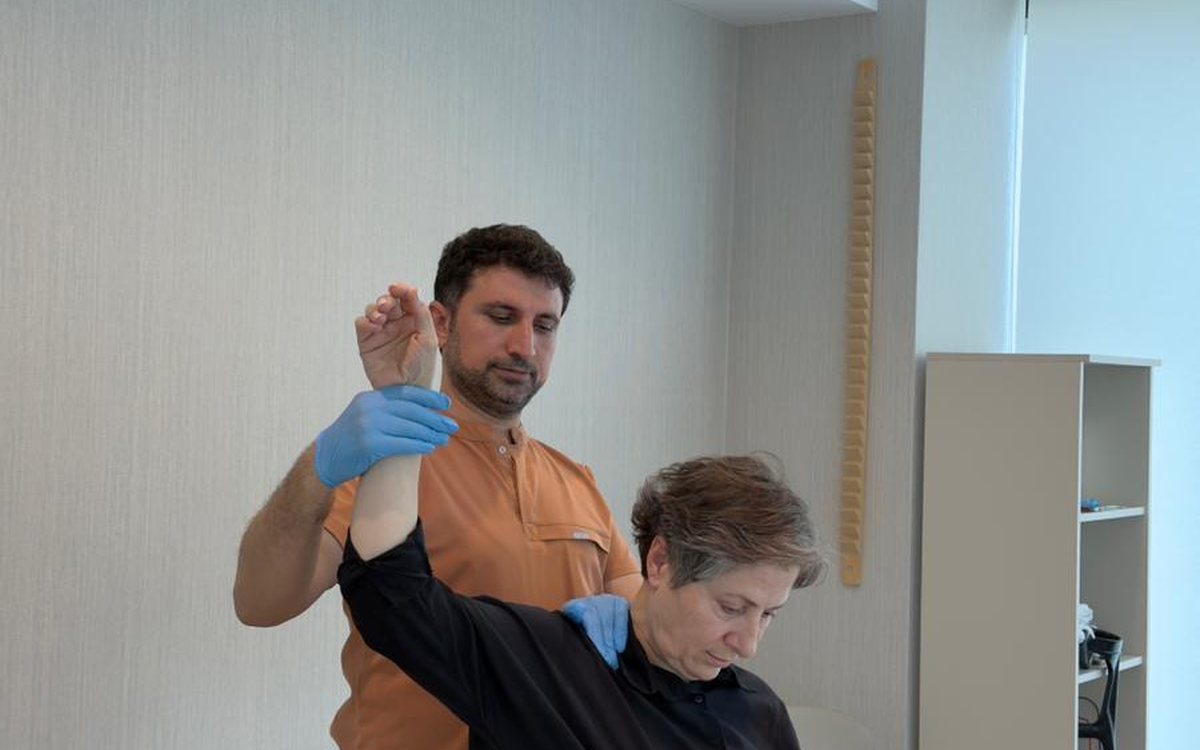
Shoulder Pain and Shoulder Impingement Syndrome
Shoulder pain is one of the most common musculoskeletal problems that can significantly affect daily life. Many people ignore it at first, assuming it will go away on its own. However, over time, simple activities such as putting on a shirt, brushing your hair, reaching for an object on a shelf, or even sleeping comfortably can become painful.
One of the most common causes of pain when raising the arm is shoulder impingement syndrome. If left untreated, the pain may gradually worsen, and shoulder movement can become increasingly restricted.
What Is Shoulder Impingement Syndrome?
Shoulder impingement syndrome occurs when the muscles and tendons of the shoulder become compressed between the bones during arm movement.
In the early stages, pain is usually felt only when lifting the arm. As the condition progresses, shoulder pain may persist even while resting.
Some people describe it as a constant dull ache, while others experience a sharp, stabbing pain whenever they raise their arm.
What Causes Shoulder Pain?
Shoulder pain can develop for many different reasons.
The most common causes include:
- Shoulder impingement syndrome
- Muscle and tendon strains
- Lifting heavy objects
- Repetitive overhead arm movements
- Poor sitting posture while working at a desk
- Sports-related injuries
- Osteoarthritis
- Rotator cuff tendon tears
Shoulder problems are particularly common among painters, construction workers, hairdressers, athletes, and people whose jobs require frequent overhead arm movements.
How Does Shoulder Pain Affect Daily Life?
As shoulder pain progresses, even simple daily activities may become difficult.
- Many people wake up repeatedly during the night because they cannot comfortably lie on the affected shoulder.
- Women may have difficulty tying their hair or fastening a bra.
- Men may experience pain while putting on a shirt or jacket.
- Even turning a steering wheel while driving can become challenging.
Reduced shoulder mobility can eventually interfere with both work and everyday activities.
Does Physical Therapy Help Shoulder Impingement Syndrome?
Yes. Physical therapy is one of the most effective and commonly recommended treatments for shoulder impingement syndrome.
Treatment typically includes exercises designed to improve shoulder mobility, strengthen the surrounding muscles, and restore proper shoulder mechanics.
Physical therapists also identify harmful movement patterns and provide guidance on correcting daily habits that may contribute to the condition.
Many patients experience significant pain relief with a structured physical therapy program. However, the prescribed home exercise program should also be performed consistently to achieve the best results.
What Helps Relieve Shoulder Pain?
If your shoulder pain has recently started and is not related to a serious injury, the following strategies may help relieve your symptoms.
Avoid Activities That Aggravate the Shoulder
Repeated overhead reaching or lifting heavy objects can increase shoulder pain. Giving the shoulder time to rest may help reduce irritation.
Avoid Staying in the Same Position for Long Periods
Sitting at a computer for hours can increase tension in the shoulder muscles. Taking regular breaks to stand up and gently move your shoulders may help reduce stiffness.
Perform the Exercises Recommended by Your Healthcare Professional
Not every type of shoulder pain requires the same treatment. Instead of trying random exercises found online, follow a program designed specifically for your condition. A physical therapist or physical medicine and rehabilitation specialist can recommend the most appropriate exercises.
Maintain Good Posture
Slouching places additional stress on the shoulders. Sitting upright and maintaining an ergonomic workstation can help protect shoulder health.
Don't Ignore Persistent Pain
Waiting for months and hoping the pain will disappear on its own may allow the condition to worsen. If your shoulder movement is becoming increasingly limited, seek professional evaluation as soon as possible.
When Should You See a Doctor?
Some cases of shoulder pain require prompt medical evaluation.
- Pain lasting for several weeks
- Difficulty or inability to raise the arm
- Loss of shoulder strength
- Pain following a fall or direct injury
- Night pain that continues to worsen
Remember: Shoulder pain may be caused by a simple muscle strain, but it can also indicate more serious conditions such as shoulder impingement syndrome or a rotator cuff tear. With early diagnosis and appropriate treatment, many shoulder conditions can be successfully managed without surgery.
Osteopath & Physiotherapist Mustafa Kurt
Address: Atatürk Neighborhood, Ertuğrul Gazi Street, Metropol İstanbul Residence, Block B, Floor 2, Unit 67, Ataşehir / Istanbul, Türkiye
Phone: +90 555 345 6585