
Musculoskeletal Rehabilitation
Comprehensive rehabilitation and treatment protocols for muscle, joint, and bone structures.
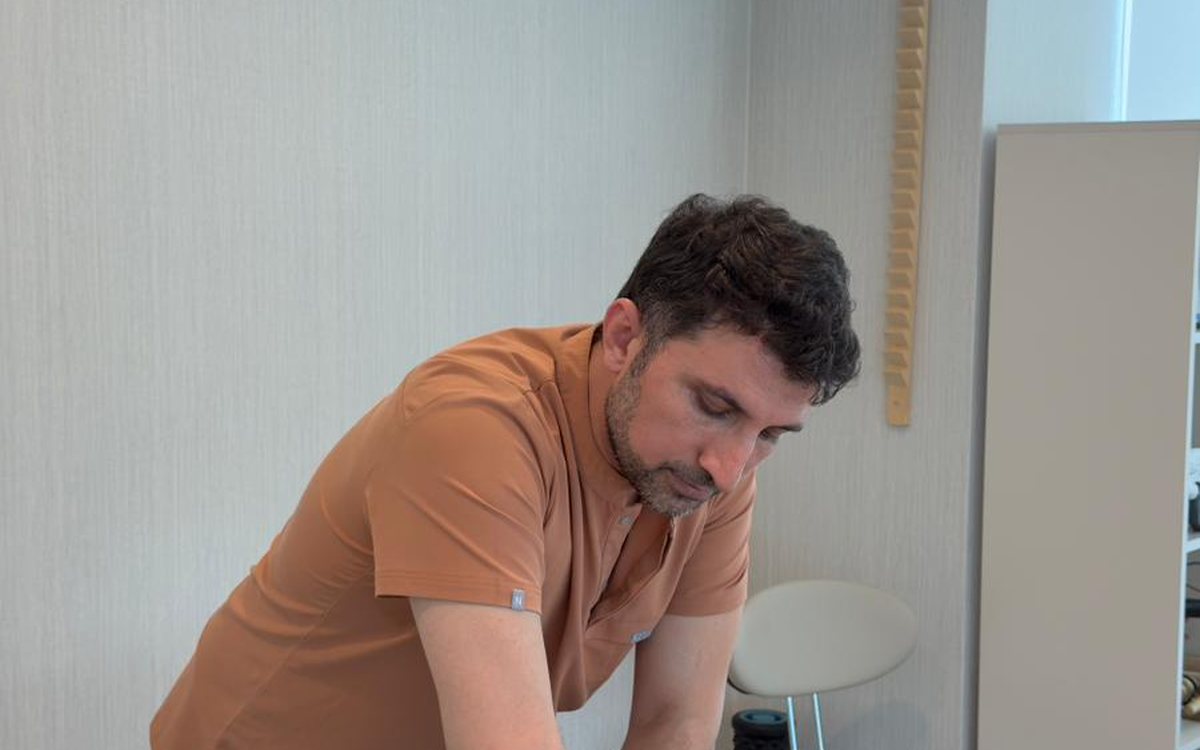
Osteopathic Physiotherapist Mustafa Kurt develops comprehensive rehabilitation and exercise plans to address pain and loss of movement originating from muscles, bones, joints, ligaments, and tendons, offering personalized musculoskeletal rehabilitation in Istanbul.
Musculoskeletal Rehabilitation Guide: What Is It and Who Needs It?
The musculoskeletal system is the body's movement system, consisting of muscles, bones, joints, ligaments, and tendons.
Pain, injury, or loss of movement in these structures can directly affect quality of daily life. Musculoskeletal rehabilitation is a comprehensive treatment process applied to increase a person's mobility, reduce pain, and help the body function healthily again.
What Are Musculoskeletal Disorders?
Musculoskeletal disorders are the general term for problems affecting muscles, bones, joints, and surrounding tissues.
These issues can often arise due to trauma, improper use, prolonged inactivity, postural disorders, or wear and tear over time.
The most common problems:
- Lower back and neck disc herniation
- Muscle strains
- Tendon inflammation
- Joint osteoarthritis
- Meniscus and ligament injuries
What Are the Symptoms of Musculoskeletal Disorders?
Muscle and joint problems most often present with pain and movement restriction.
Common symptoms:
- Muscle or joint pain
- Difficulty when moving
- Stiffness and restricted feeling
- Swelling or sensitivity
- Loss of muscle strength
- Difficulty performing daily tasks
If these complaints persist for a long time, the cause must be evaluated. You can apply to physical therapy departments in public hospitals or private physiotherapy centers.
What Causes Musculoskeletal Pain?
Musculoskeletal pain is sometimes felt only in a specific area, while at other times it can spread to other regions.
For example, a lower back problem can radiate to the leg, and a neck problem can spread toward the arm. Main causes include muscle imbalances, strain from sports or daily life, trauma such as falls and impacts, prolonged inactivity, and poor postural habits.
Which Doctor Should You See for Musculoskeletal Disorders?
Specialty areas you can consult for these problems:
- Physical medicine and rehabilitation specialist (physical medicine doctor)
- Physiotherapist
- Orthopedics and traumatology specialist (orthopedic doctor)
The diagnosis and treatment process varies depending on the type of problem. In some cases, methods such as exercise and manual therapy are sufficient, while in others different specialist assessments may be required. You can book appointments at these departments in both public hospitals and private hospitals. You can create a free appointment through e-Government or MHRS (call 182) at the relevant departments of public hospitals.
Which Department Treats Musculoskeletal Disorders?
Musculoskeletal problems are generally evaluated by the following departments:
- Physical Medicine and Rehabilitation
- Orthopedics and Traumatology
While the physical medicine department focuses more on non-surgical treatment, regaining movement, and rehabilitation processes, the orthopedics department evaluates conditions that may require surgery.
What Is Musculoskeletal Rehabilitation?
Musculoskeletal rehabilitation is a personalized treatment process applied to help people experiencing pain, movement restriction, or loss of function move more comfortably again.
The goal is not only to reduce pain. It also aims to increase muscle strength, improve joint movement, enhance movement quality, and reduce the risk of re-injury.
What Is Done During the Rehabilitation Process?
The treatment program is prepared according to the person's needs.
Methods that may be used:
- Manual therapy
- Exercise therapy
- Mobility work
- Muscle strengthening exercises
- Balance and coordination work
- Posture correction applications
The methods applied are determined according to the person's pain level, lifestyle, and physical capacity.
How Can Musculoskeletal Problems Be Prevented?
It is important to take early preventive measures to protect muscle and joint health. Protective approaches include regular exercise, developing proper sitting and work habits, increasing postural awareness, correcting muscle imbalances, and avoiding movements that strain the body.
Ergonomics and regular movement are especially important for desk workers.
How Long Does Musculoskeletal Rehabilitation Take?
Treatment duration varies depending on the problem the person is experiencing. In general:
- Mild muscle strains: 2-4 weeks
- Moderate injuries: 4-8 weeks
- Chronic or advanced problems: longer-term follow-up
may be required.
A regularly applied treatment and exercise program supports the recovery process.
How Does the Session Process Progress?
In the initial assessment, the person's muscle strength, joint range of motion, posture, pain level, and daily life activities are examined.
A session usually lasts 45-60 minutes. During sessions, manual therapy may be applied, personalized exercises are performed, progress is monitored, and adjustments are made to the program accordingly.
Average Number of Sessions
The number of sessions varies depending on the type of problem and the person's condition. In general, it can be planned as:
- Mild problems: 5-10 sessions
- Moderate problems: 10-20 sessions
- Long-standing chronic conditions: longer programs
The goal is not only short-term relief, but for the person to gain lasting movement capacity.
What Is the Physiotherapist Session Fee?
Fees for musculoskeletal rehabilitation may vary because planning is personalized. Factors affecting the fee include therapy methods applied, session duration, total session needs, scope of the problem, and the assessment and follow-up process.
Clear planning is usually created after the initial assessment.
Important: In musculoskeletal problems, proper assessment and a rehabilitation program suited to the individual are important both for pain control and improving movement quality. Getting support early can help the process progress more healthily.
Frequently Asked Questions
Which department treats musculoskeletal disorders?
The Physical Medicine and Rehabilitation and Orthopedics and Traumatology departments are involved in evaluating these problems. You can book appointments at these departments in public or private hospitals.
Which doctor should you see for musculoskeletal disorders?
Assessment can be performed by a physical medicine specialist, orthopedic specialist, or physiotherapist. Your family doctor can also refer you to the right department.
Osteopathic Physiotherapist Mustafa Kurt
Address: Atatürk Mah. Ertuğrul Gazi Sok. Metropol İstanbul Sitesi B Blok Kat:2 D:67, Ataşehir / Istanbul
Phone: 0555 345 6585