
Sports Rehabilitation
Personalized rehabilitation programs that support a controlled and safe return to sports after injuries.
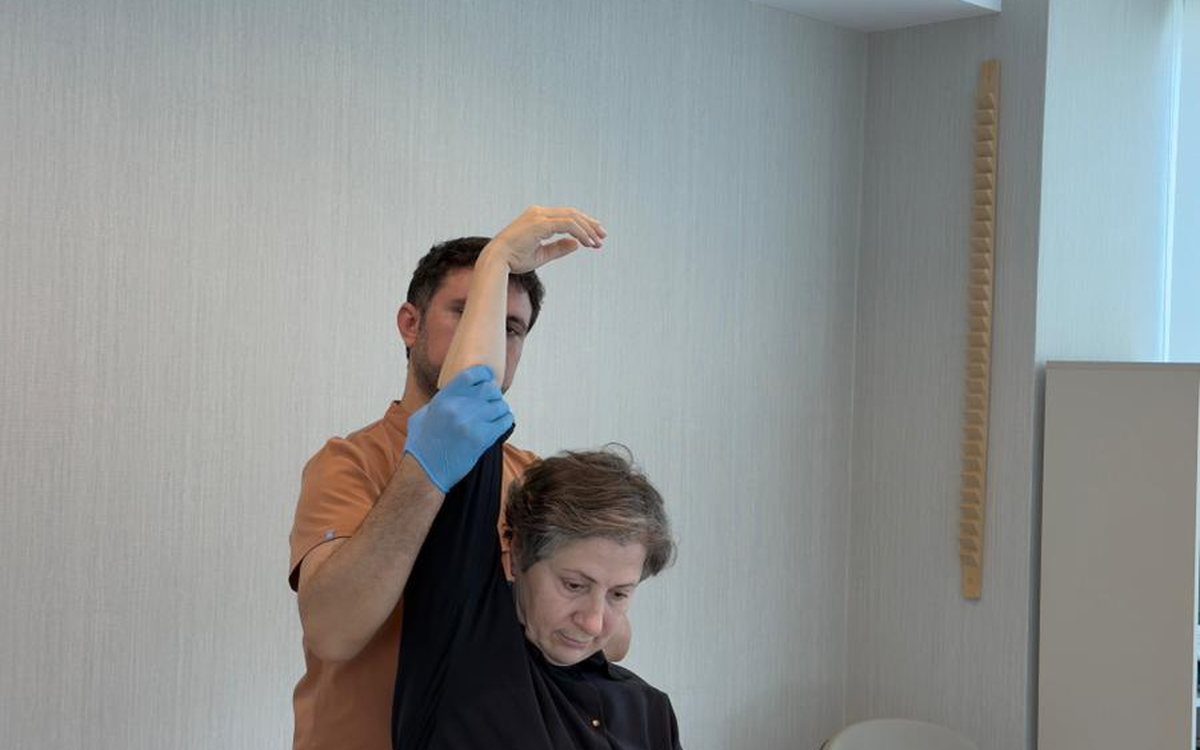
Osteopathic Physiotherapist Mustafa Kurt creates athletic rehabilitation and exercise plans to ensure a safe return to sport after sports injuries and reduce the risk of re-injury, offering personalized sports rehabilitation in Istanbul.
Sports Rehabilitation Guide: Process, Who It Is For, and Treatment Approach
Sports rehabilitation is a specialized physiotherapy process applied to treat injuries sustained during sport, ensure a safe return to sport, and reduce the risk of re-injury.
This process is not only for professional athletes. It is important for anyone who exercises regularly, is interested in fitness, or has been injured during sport.
A properly planned rehabilitation program supports the recovery process, reduces performance loss, and helps the person return to sport more safely.
What Is Sports Rehabilitation?
Sports rehabilitation is a scientific treatment process aimed at helping a person regain their previous movement capacity and performance after muscle, ligament, tendon, and joint injuries.
During this process, the goal is not only to reduce pain. It also aims to regain muscle strength, develop balance and coordination, improve movement control, and increase flexibility and mobility.
The main goal is for the athlete to return safely not only to daily life, but to their sport.
What Is a Sports Physiotherapist?
A sports physiotherapist is a physiotherapist specialized in preventing sports injuries, treating them, and planning the return-to-sport process.
Their duties include assessing injury risks, preparing personalized rehabilitation programs, examining muscle and joint functions, applying return-to-sport tests, and helping reduce performance loss.
A sports physiotherapist can provide support not only after injury, but also for preventive purposes before injury. You can receive this service at private sports centers, hospital physical therapy departments, or independent physiotherapy clinics.
Who Needs Sports Rehabilitation?
Sports rehabilitation is not only for professional athletes.
The following people can benefit from this process:
- Professional athletes
- Amateur athletes
- People interested in fitness and gym training
- Runners and endurance sport participants
- Individuals in post-surgical recovery
- Those with muscle, ligament, or tendon injuries
- People with recurring sports injuries
The goal is not only to correct the current problem, but also to reduce the likelihood of the same injury recurring.
What Applications Are Used in Sports Rehabilitation?
The rehabilitation program is prepared according to the person's injury, sport, and goals.
Methods applied:
- Manual therapy
- Muscle strengthening exercises
- Flexibility and mobility work
- Balance and coordination exercises
- Proprioception (body awareness) work
- Functional movement training
- Return-to-sport tests
The process progresses in a controlled way and is adjusted according to the person's development.
How Is the Return-to-Sport Process Planned?
In sports rehabilitation, return to sport is not determined solely by pain subsiding. Whether the athlete is ready is assessed by criteria such as muscle strength balance, joint range of motion, balance and coordination, sport-specific movement capacity, and functional test results.
The goal is to help the athlete return to performance while reducing the risk of re-injury.
How Long Does Sports Rehabilitation Take?
Rehabilitation duration varies depending on the type and severity of the injury. In general:
- Mild muscle strains: 2-4 weeks
- Moderate muscle and ligament injuries: 4-8 weeks
- Post-surgical rehabilitation: 2-6 months or longer
The process is planned differently for each athlete.
How Does the Sports Rehabilitation Process Progress?
In the initial assessment, the athlete's muscle strength, joint movements, balance status, posture, and sports history are examined in detail.
Afterwards, a personalized exercise program is prepared, rehabilitation goals are set, progress is monitored regularly, and the program is modified as needed.
How Long Does a Sports Rehabilitation Session Last?
A sports rehabilitation session usually lasts 45-60 minutes.
During the session:
- Manual therapy applications
- Exercise work
- Functional movement training
may be applied together.
The goal is not only to heal the area, but to help the athlete regain movement quality.
Average Number of Sessions
The number of sessions varies depending on the injury status. In general:
- Mild problems: 5-10 sessions
- Moderate injuries: 10-20 sessions
- Advanced or post-surgical conditions: longer-term programs
may be applied.
What matters is not the number, but the athlete being safely ready to return to sport.
Which Doctor and Department Should You See for Sports Injuries?
For sports injuries, you can first consult an Orthopedics and Traumatology specialist or a Physical Medicine and Rehabilitation (PM&R) specialist; the rehabilitation process is carried out by a sports physiotherapist. At some clubs and centers, a Sports Medicine specialist may also provide assessment.
You can book a free appointment through e-Government or MHRS (call 182) at the Orthopedics and Traumatology or Physical Medicine and Rehabilitation departments of public hospitals.
What Is the Physiotherapist Session Fee?
Fees for sports rehabilitation may vary because planning is personalized. Factors affecting the fee include treatment methods applied, session duration, total session needs, severity of the injury, and follow-up and assessment requirements.
Clear planning is usually determined after the initial assessment. You can receive this service at public hospitals or private physiotherapy centers.
What Is a Rehabilitation Center?
A rehabilitation center is a healthcare unit where sports injuries, post-surgical processes, and loss of movement are treated.
At these centers, programs suited to the person's needs are prepared by physiotherapists.
The goal is not only to reduce pain, but to help the person return safely to daily life and sport.
Important: Early assessment and the right rehabilitation plan in sports injuries help the recovery process progress more controllably. With a personalized treatment approach, movement capacity is supported and the risk of re-injury can be reduced.
Osteopathic Physiotherapist Mustafa Kurt
Address: Atatürk Mah. Ertuğrul Gazi Sok. Metropol İstanbul Sitesi B Blok Kat:2 D:67, Ataşehir / Istanbul
Phone: 0555 345 6585