
Exercise Therapy
Exercise programs designed to restore functional movements, increase strength, and reduce pain.
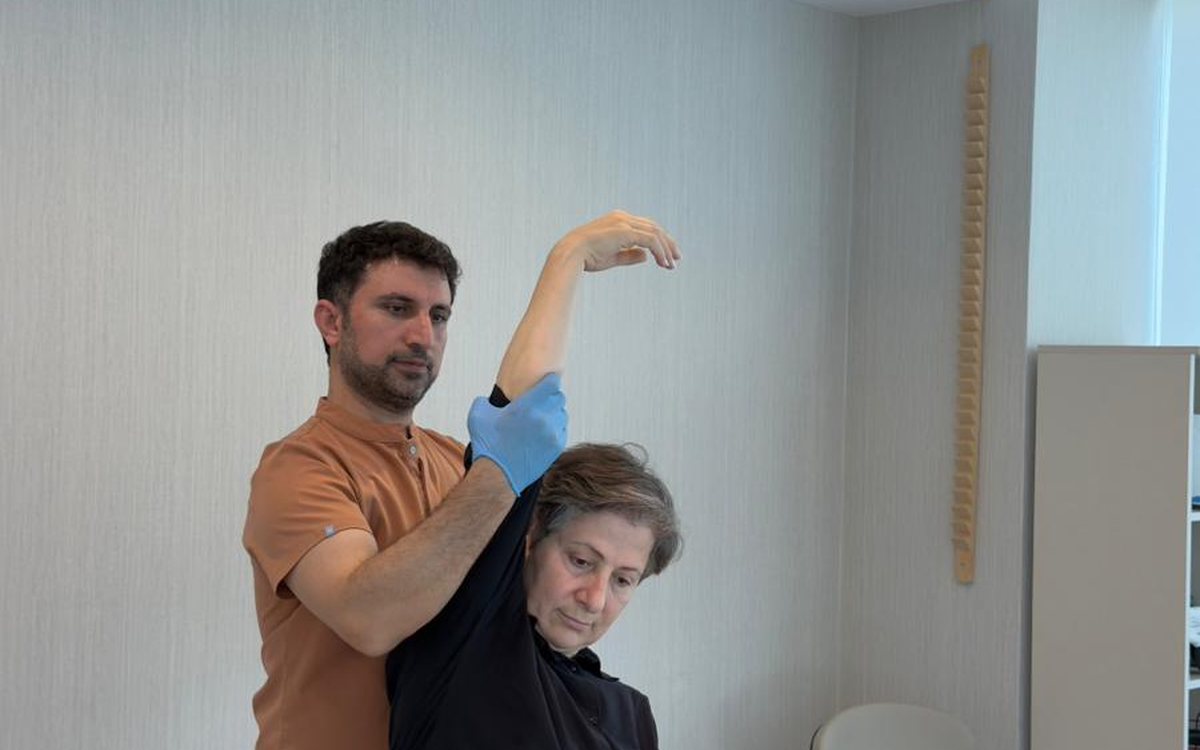
Osteopathic Physiotherapist Mustafa Kurt creates personalized therapeutic exercise programs to help people experiencing pain, movement restriction, and loss of function develop proper movement habits, offering clinic assessment-supported exercise therapy in Istanbul.
Exercise Therapy (Therapeutic Exercise) Guide: What Is It, Who Is It For, and Benefits
Exercise therapy is an evidence-based treatment approach planned by a physiotherapist to reduce a person's pain, movement restriction, or loss of function.
The goal here is not simply to have someone exercise. It is to develop proper movement habits, increase muscle strength, improve joint movement, and help the person live daily life more comfortably.
Unlike a standard sports program, exercise therapy is prepared entirely on an individual basis. The person's current condition is assessed and the process is adjusted according to needs.
What Is Exercise Therapy?
Exercise therapy consists of controlled exercise programs specially prepared for people experiencing a specific health problem, pain, or loss of movement.
In these applications, the goal is not only to work the muscles, but to help the body move in a more balanced and correct way. Through exercise therapy, the aims are to increase muscle strength, improve joint range of motion, improve balance and coordination, help reduce pain, and make daily movements easier.
It is especially commonly used for lower back and neck pain, sports injuries, postural disorders, and long-standing musculoskeletal problems.
What Is the Difference Between Exercise Therapy and Regular Exercise?
Regular exercise is generally done to improve general health, fitness, or performance.
Exercise therapy, on the other hand, is applied to solve an existing problem or restore functions the body has lost. During this process, the person's movement capacity is assessed, weak or deficient points are identified, appropriate exercises are selected, and the program is changed according to progress.
In other words, the goal is not to do more exercise, but to apply the right exercise in the right way.
Basic Principles of Exercise Therapy
For exercise therapy to be effective, it must progress in a planned and controlled way. Basic principles include preparing a personalized program, selecting exercises appropriate to the level, ensuring controlled progression over time, regular follow-up, and emphasizing movement quality.
Uninformed or incorrectly performed exercises may not provide the expected benefit and in some cases can worsen complaints. For this reason, it is recommended to do them under the supervision of a physiotherapist or physical medicine doctor.
What Are Exercise Therapy Methods?
Different exercise methods can be used depending on the person's needs. These include:
- Strengthening exercises
- Flexibility and mobility work
- Balance exercises
- Coordination work
- Endurance exercises
- Functional movement training
Which method is applied is determined according to the person's age, complaints, physical condition, and goals.
Who Is Exercise Therapy For?
Exercise therapy is not only for people who play sports. It has a very wide range of applications.
It can be applied in the following situations:
- People with lower back and neck pain
- Those in recovery after sports injury
- Those needing post-surgical rehabilitation
- People with postural disorder
- Individuals experiencing muscle weakness
- People with movement restriction
- Those with movement problems related to chronic diseases (such as diabetes, hypertension)
- People needing support in neurological problems (such as stroke, Parkinson's)
The main goal is to increase the person's movement capacity and improve quality of life.
How Is Exercise Therapy Applied?
A detailed assessment is performed before exercise therapy begins. In this assessment, muscle strength is checked, joint movements are evaluated, balance and coordination are examined, posture analysis is performed, and difficulties in daily life are identified.
Based on the information obtained, the physiotherapist creates a personalized exercise plan.
The program is not fixed. It is changed over time according to the person's progress.
What Happens During an Exercise Therapy Session?
Exercise therapy is generally applied under physiotherapist supervision.
A session can last an average of 45-60 minutes. During the session, correct performance of exercises is taught, body control during movement is monitored, proper muscle activation is evaluated, and the exercise program is updated when necessary.
The goal is not only to have the person exercise, but to teach correct movement.
How Many Sessions Does Exercise Therapy Take?
The number of sessions varies depending on the person's problem and goals. In general:
- Mild problems: 5-8 sessions
- Moderate problems: 8-15 sessions
- Longer-term or chronic problems: longer follow-up processes
may be required.
Especially for pain that has persisted for a long time, regular follow-up is important for lasting results.
Which Doctor and Department Should You See for Exercise Therapy?
For pain and movement problems requiring exercise therapy, you can first consult a Physical Medicine and Rehabilitation (PM&R) specialist (physical medicine doctor) or a physiotherapist. In neurological or orthopedic conditions, Neurology or Orthopedics and Traumatology specialists may also be involved in the process.
You can book a free appointment through e-Government or MHRS (call 182) at the Physical Medicine and Rehabilitation department of public hospitals. For the exercise program to be effective and safe, it is recommended that it be applied under physiotherapist supervision.
Physiotherapist Exercise Therapy Fees
Exercise therapy fees may vary from person to person because the program to be applied is prepared according to individual needs.
Factors affecting the fee include session duration, exercise program to be applied, total number of sessions, scope of the person's condition, and follow-up and assessment needs.
Clear planning is usually determined after the initial assessment. You can receive this service at public hospitals or private physiotherapy centers.
Exercise and Rehabilitation Centers
Exercise therapy is generally applied at physiotherapy and rehabilitation centers.
At these centers, physiotherapists assess the person's needs, create an appropriate exercise program, and monitor the process.
Thus, exercises are applied safely and effectively, not randomly.
What Are the Benefits of Exercise Therapy?
Regularly applied exercise therapy may help reduce pain, increase muscle strength, and improve mobility. It may also contribute to improved posture, make daily life activities easier, and support prevention of recurring problems.
Frequently Asked Questions
What is exercise therapy?
Exercise therapy is a controlled exercise program prepared according to the person's needs and applied for treatment purposes. You can have it done at physical therapy departments in public hospitals or private physiotherapy centers.
Is exercise therapy suitable for everyone?
It is planned after the person's health status is evaluated. For this reason, it is recommended to apply it after professional assessment. It is advisable to consult a physiotherapist or physical medicine doctor.
What exercises can people with diabetes do?
Walking, low-intensity aerobic exercises, and appropriate resistance work are generally preferred. The program should be prepared individually.
What exercise is good for constipation?
Walking, exercises supporting the abdominal region, breathing work, and some yoga movements can support the digestive system.
What is the 3-2-8 exercise?
It is a short exercise model applied with 3 minutes of warm-up, 2 basic movements, and 8 minutes of cardio or brisk walking.
What are the 5 basic exercises?
Among basic movement patterns are squat, push, pull, hip movements, and core stabilization exercises.
Osteopathic Physiotherapist Mustafa Kurt
Address: Atatürk Mah. Ertuğrul Gazi Sok. Metropol İstanbul Sitesi B Blok Kat:2 D:67, Ataşehir / Istanbul
Phone: 0555 345 6585