
Knee Pain
We assess movement and loading issues related to knee pain and plan functional support programs.
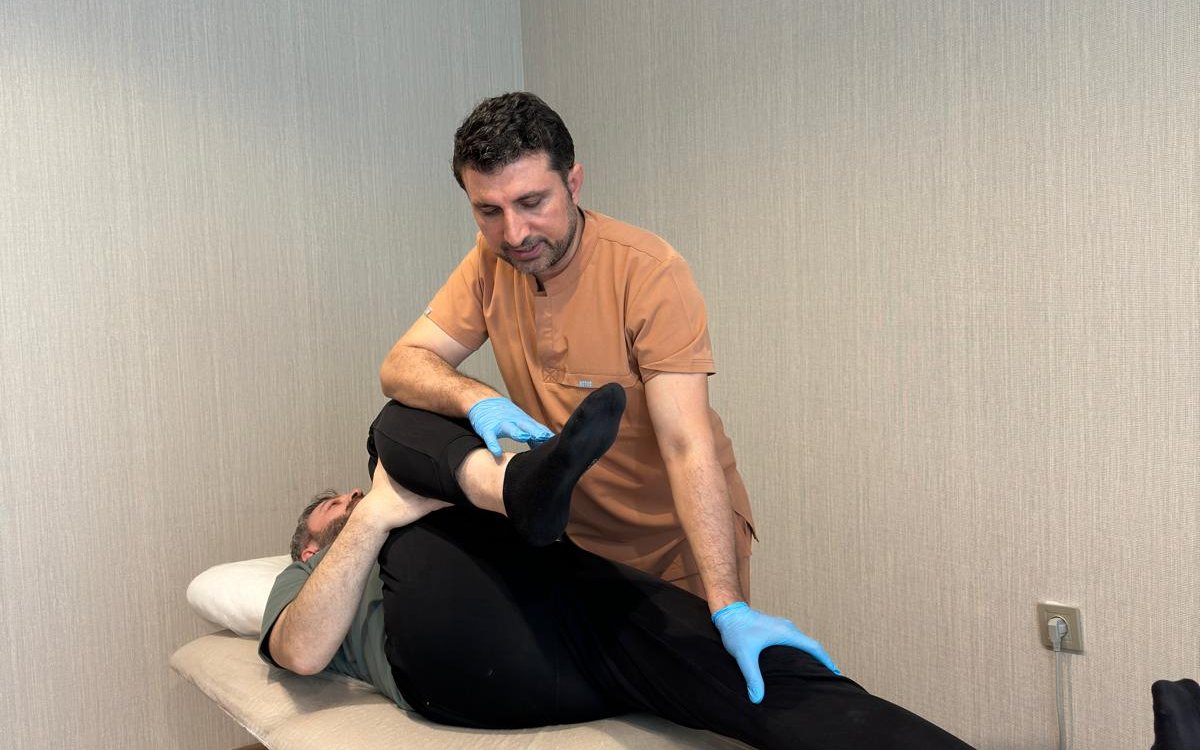
Osteopathic Physiotherapist Mustafa Kurt analyzes movement and loading problems accompanying knee pain, creates functional exercise plans to strengthen joint ligaments, and offers personalized physiotherapy services in Istanbul.
Why Does My Knee Hurt? What Helps Knee Pain? Causes and Treatment Approaches
Knee pain is one of the musculoskeletal problems that can occur at any age and significantly affect daily life. Pain felt when climbing stairs, standing up after sitting for a long time, or while walking can stem from different causes—from simple strain to meniscus injury, from cartilage wear to tendon problems.
For this reason, proper assessment of the underlying cause of knee pain is of great importance in creating an appropriate treatment plan.
Most Common Causes of Knee Pain
The knee joint is a complex structure where bones, cartilage, meniscus, ligaments, muscles, and tendons work together. A problem developing in any of these tissues can cause pain and movement limitation.
Common causes of knee pain include:
Meniscus Injuries
These can develop as a result of sudden twisting movements, sports injuries, or age-related wear. A catching sensation in the knee, locking, and pain during movement may be seen.
Ligament Injuries
Especially anterior cruciate ligament and collateral ligament injuries can occur during sports or after a fall. Swelling, instability, and sudden pain are common.
Patellofemoral Pain Syndrome
Due to disrupted load distribution during kneecap movement, pain can occur especially when going up and down stairs or after sitting for a long time.
Osteoarthritis
With age or due to long-term load on the joint, wear in the cartilage structure can develop. Morning stiffness and pain that increases with movement are typical.
Tendon and Bursa Problems
Due to overuse or repetitive movements, sensitivity and a burning sensation around the knee can occur.
Why Is Knee Pain More Common in Women?
The more frequent occurrence of knee pain in women is not due to a single cause. Biomechanical differences related to pelvic bone structure, muscle strength balance, and movement control can contribute to this situation.
During menopause, hormonal changes may have indirect effects on joint and bone health. During pregnancy, increased weight and changing center of gravity can increase the load on the knee joint.
Appropriate exercise planning and professional support can be beneficial during these processes. Consulting a physiotherapist or Physical Medicine and Rehabilitation (PM&R) specialist would be the right step.
What Helps Knee Pain at Home?
For mild and newly onset knee pain, some basic approaches can provide relief:
- If there is swelling, short-term cold application can be done in the first 24-48 hours.
- If muscle tension is dominant, heat application may be preferred in suitable cases.
- It is important to avoid staying inactive for long periods and to continue light movements that do not increase pain.
- It should also be remembered that excess weight can increase the load on the knee, and appropriate supportive footwear should be chosen.
Important Note: If complaints continue despite these temporary methods applied at home, professional assessment must be obtained. You can receive this service at the Physical Medicine and Rehabilitation departments of public hospitals—with a free appointment through e-Government or MHRS (call 182)—or at Osteopathic Physiotherapist Mustafa Kurt's clinic in Istanbul.
Why Is Exercise Important in Knee Pain?
Strong muscles around the knee ensure balanced distribution of the load on the joint. Especially strengthening the quadriceps (front thigh), hip, and core muscles is important for knee health.
Adding flexibility work can also improve movement quality. Swimming, low-tempo walking, and personalized exercise programs can contribute to long-term improvement in suitable individuals.
It is recommended that these exercises be performed under the supervision of a physiotherapist or physical medicine doctor.
Osteopathic Approach in Knee Pain
Knee pain may not always originate only from the knee joint. Biomechanical problems in areas such as the hip, ankle, and spine can also place additional load on the knee.
Osteopathy is one of the manual therapy methods that evaluates the body as a whole. Manual techniques applied after assessment in suitable patients can contribute to pain reduction, increased joint range of motion, and supported function.
This method generally aims for more effective results when planned together with exercise therapy and physiotherapy applications. However, detailed clinical assessment is required as it may not be suitable for every patient.
Session Duration and Pricing
Physiotherapy and manual therapy sessions applied may vary according to the person's clinical condition and the treatment plan they need. After the initial assessment, a personalized treatment program is created and the number of sessions is planned accordingly.
Session durations generally range between 45-60 minutes.
Pricing may vary depending on the methods used, session intensity, and the scope of the treatment process. Exact fee information is determined personally after the initial clinical assessment.
When Should You See a Doctor?
If any of the following symptoms are present, a healthcare professional should be consulted without delay:
- Being unable to put weight on the knee at all
- Sudden significant swelling, redness, or local increase in temperature
- Locking in the knee or complete loss of movement
- Severe pain that begins after a fall, accident, or sports injury
- Sudden knee swelling accompanied by fever
- Severe pain that wakes you at night
- Long-lasting, chronic complaints
In these situations, you should consult a Physical Medicine and Rehabilitation (PM&R) specialist, orthopedics specialist, or physiotherapist. You can book a free appointment through e-Government or MHRS (call 182) at the relevant departments of public hospitals.
Important: Knee pain can stem from many causes such as meniscus injuries, ligament problems, osteoarthritis, tendon issues, and biomechanical imbalance. With proper assessment, an appropriate exercise plan, lifestyle adjustments, and physiotherapy when needed, complaints can be controlled in many patients. If complaints last a long time or affect quality of life, obtaining professional assessment will be the most appropriate approach.
Disclaimer: This content is for informational purposes only. It does not replace diagnosis and treatment.
Osteopathic Physiotherapist Mustafa Kurt
Address: Atatürk Mah. Ertuğrul Gazi Sok. Metropol İstanbul Sitesi B Blok Kat:2 D:67, Ataşehir / Istanbul
Phone: 0555 345 6585