
Sciatica
Physiotherapy approaches focused on movement, pain management and functional support for sciatic nerve-related complaints.
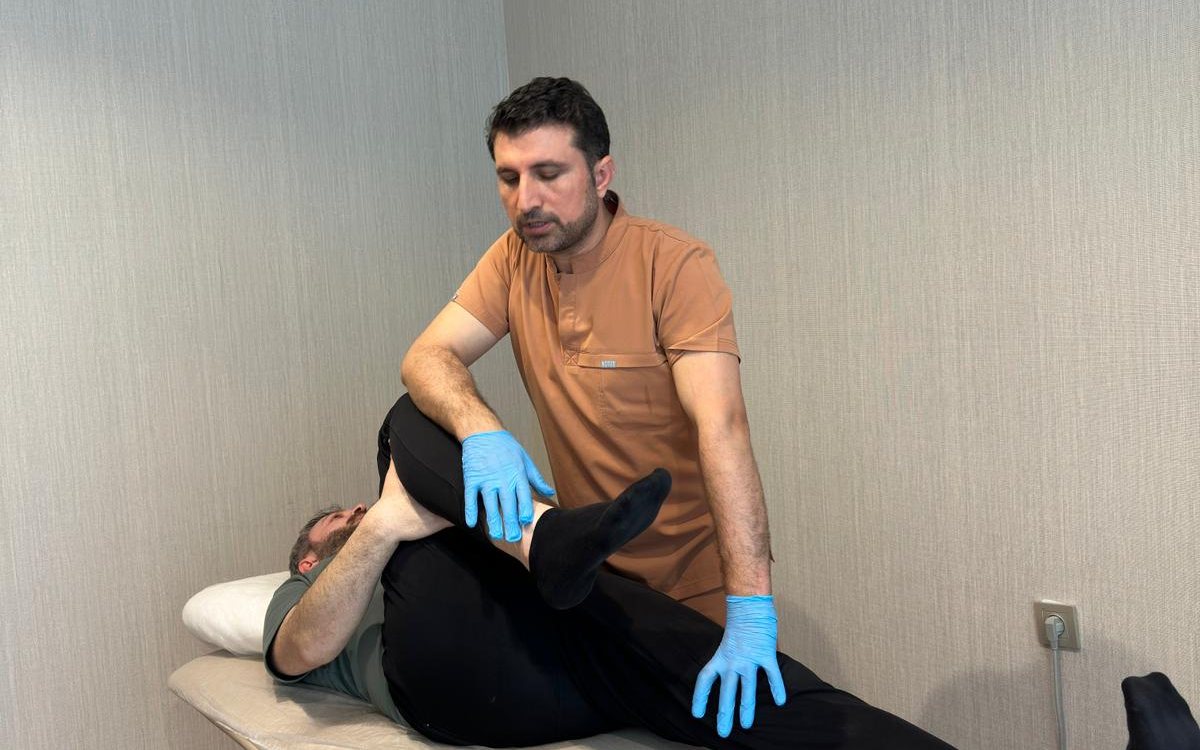
Osteopathic Physiotherapist Mustafa Kurt creates lower back, hip, and calf-focused exercise plans to relieve sciatica and nerve compression radiating from the lower back to the leg, offering personalized physiotherapy in Istanbul.
Sciatica Guide: Symptoms, Causes, and Treatment Methods
Sciatica is a common nerve-related condition characterized by pain radiating from the lower back through the hip and leg. This condition, which can make daily life difficult, can make sitting for long periods, walking, and even sleeping challenging. Correctly identifying the underlying cause of the pain is important for creating an appropriate treatment plan.
What Is Sciatica?
Sciatica occurs when the sciatic nerve, the longest nerve in the body, is compressed or irritated. Pain usually starts in the lower back and spreads through the hip, thigh, and the back of the leg. While some people experience only mild discomfort, in some patients it can be severe enough to limit daily activities.
What Causes Sciatica?
Many conditions that put pressure on the sciatic nerve can cause pain.
The most common causes are:
- Lumbar disc herniation
- Spinal canal narrowing (spinal stenosis)
- Muscle spasms
- Piriformis muscle compressing the sciatic nerve
- Trauma and falls
- Staying in an incorrect sitting position for a long time
Identifying risk factors early can help prevent pain from becoming chronic.
How Do You Know If It's Sciatica?
Sciatica can be distinguished from other lower back pain by certain symptoms.
The most common symptoms are:
- Pain radiating from the lower back to the leg
- Pain or burning sensation in the hip area
- Numbness or tingling in the leg
- Muscle weakness
- Pain that increases when sitting for long periods
- Pain intensifying during coughing or sneezing
If these symptoms are especially seen in one leg, assessment for sciatica may be necessary.
Where Does Sciatica Occur and Where Does It Radiate?
Sciatica usually starts in the lower part of the back. It then spreads to the hip, the back of the thigh, the calf, and in some patients down to the foot.
Pain spread differs in each patient. In some people it is felt only in the hip area, while in others it can extend along the entire leg.
How Does Sciatica Go Away?
Treatment is planned according to the cause of the pain. In mild cases, rest, adjusting daily activities, and controlled exercises may be sufficient.
Commonly used treatment methods are:
- Physical therapy applications
- Manual therapy
- Nerve mobilization exercises
- Exercise programs that strengthen the lower back and abdominal muscles
- Adjusting posture and sitting habits
Prolonged bed rest is often not recommended. Controlled movement supports the recovery process in many patients.
Is Heat Application Good for Sciatica?
Heat application can provide relief when muscle spasm accompanies the condition. However, it may not always be appropriate in the early period when pain has just started or when there are significant inflammatory findings.
Which method should be applied should be evaluated according to the cause and stage of the pain.
Are Medications Used for Sciatica?
In sciatica treatment, medications aimed at reducing pain and inflammation may be used in some patients. Muscle relaxants or pain relievers can also be added to the treatment plan when necessary.
The type and duration of medication use must be determined by a physician. Self-medication for a long period is not recommended.
How Long Does Sciatica Last?
Recovery time may vary from person to person.
- In mild cases significant improvement may be seen within a few weeks.
- In moderate cases the treatment process may range from a few weeks to a few months.
- In advanced cases where pressure on the nerve continues longer rehabilitation may be required.
Early treatment can positively affect recovery time.
Which Doctor Should You See for Sciatica?
People with sciatica complaints can apply to the following specialties:
- Physical Medicine and Rehabilitation (PM&R): Assessment and rehabilitation of sciatica-related pain.
- Orthopedics and Traumatology: Assessment of structural problems involving the lumbar spine.
- Neurosurgery: Advanced nerve compression or conditions requiring surgery.
Imaging methods such as MRI can be used when necessary. You can book appointments at these departments in both public hospitals and private hospitals. You can book a free appointment through e-Government or MHRS (call 182) at the relevant departments of public hospitals.
Session Process and Treatment Plan
Sciatica treatment is planned according to the cause of the pain and the degree of pressure on the nerve. At the initial assessment, pain spread, muscle strength, reflexes, range of motion, and nerve tension tests are examined.
The personalized treatment program may include the following applications:
- Manual therapy
- Nerve mobilization techniques
- Clinical exercise programs
- Lower back and hip muscle strengthening work
- Posture and movement training
- Electrotherapy when necessary
One session lasts an average of 45-60 minutes.
Average Number of Sessions
The average number of sessions may vary according to the patient's condition:
- Mild cases: 5-10 sessions
- Moderate nerve compression: 10-20 sessions
- Chronic or advanced cases: a longer rehabilitation program
The aim of treatment is not only to reduce pain but to reduce the load on the nerve and help the person return to daily life with confidence.
Fee Information
Because the methods applied in sciatica treatment vary from person to person, it is not possible to set a standard fee.
The main factors affecting pricing are:
- Cause and severity of pain
- Clinical assessment results
- Treatment methods to be applied
- Planned total number of sessions
Exact fee information is determined according to the personalized treatment plan created after the initial assessment. The treatment process can be planned per session or as a package program according to need.
Important: Sciatica is a condition that can largely be controlled with early assessment and appropriate treatment. If symptoms such as pain radiating to the leg, numbness, or loss of strength are seen, professional assessment should not be delayed. Personalized physical therapy and rehabilitation programs can help reduce pain, increase mobility, and return to daily life more comfortably.
Osteopathic Physiotherapist Mustafa Kurt
Address: Atatürk Mah. Ertuğrul Gazi Sok. Metropol İstanbul Sitesi B Blok Kat:2 D:67, Ataşehir / Istanbul
Phone: 0555 345 6585