
Joint Problems
Mobilization and rehabilitation applications for joint stiffness, restriction and pain.
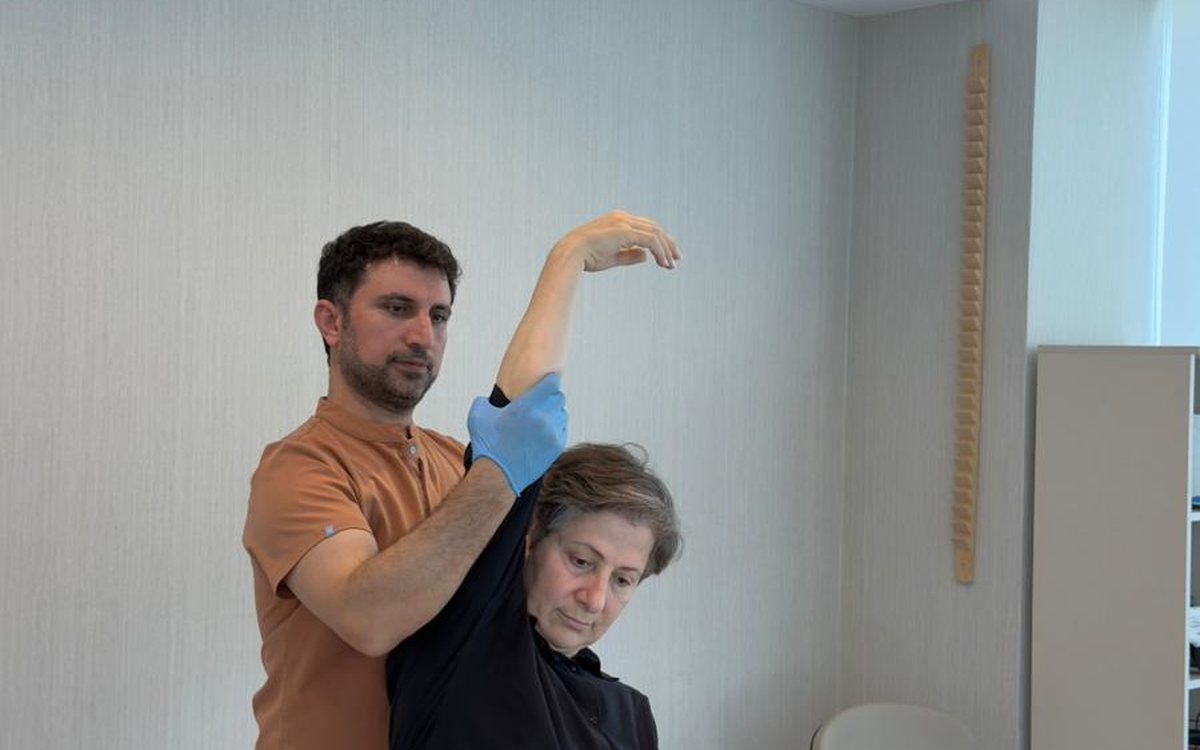
Osteopathic Physiotherapist Mustafa Kurt creates joint-protective mobilization exercise plans to reduce joint stiffness caused by osteoarthritis and wear.
Joint Problems Guide: Symptoms, Causes, and Treatment Methods
Joint problems are among the musculoskeletal conditions that can be seen at every age and directly affect daily life. Pain, stiffness, or movement restriction in joints such as the knee, hip, shoulder, elbow, and wrist can make daily activities difficult and, when left untreated, reduce quality of life.
Proper assessment in the early period and creating an appropriate treatment plan both help control pain and preserve joint function.
What Is a Joint Disorder?
Joint disorder is the general term for conditions that affect the normal structure and movement of the bone, cartilage, ligament, capsule, or surrounding tissues that make up a joint. This condition can develop due to injuries, age-related changes, inflammatory diseases, or overuse.
In mild cases, pain is felt only during movement, while in advanced stages joint stiffness, swelling, and loss of movement may be seen.
What Are the Symptoms of Joint Diseases?
Symptoms may vary depending on the underlying disease.
The most common complaints are:
- Joint pain
- Difficulty during movement
- Morning stiffness
- Joint swelling
- Increased heat and tenderness
- Reduced range of motion
- Difficulty in daily activities
If complaints last longer than a few weeks or gradually increase, specialist assessment is recommended.
Most Common Joint Diseases
Joint problems can arise for different reasons.
Commonly seen diseases include:
- Osteoarthritis
- Rheumatoid arthritis
- Gout
- Bursitis
- Tendinitis
- Synovitis
Because these conditions require different treatment approaches, correct diagnosis is of great importance.
Why Do Fever and Joint Pain Occur Together?
Joint pain accompanied by fever may be associated with certain infections or inflammatory rheumatic diseases. Viral infections, bacterial joint infections, and some autoimmune diseases can cause this picture.
If severe joint pain develops with fever, redness, or significant swelling, a healthcare facility should be consulted without delay.
The Relationship Between Muscle and Joint Diseases
Muscles and joints work together to enable movement. For this reason, weakness or imbalance in muscles can over time cause excess load on joints. Similarly, joint-related pain can restrict a person's movement and lead to muscle loss.
Therefore, when creating a treatment plan, not only the painful joint but also the surrounding muscle structures should be evaluated.
How Is Joint Disorder Treated?
Treatment is planned according to the cause and severity of the disease.
In mild cases, lifestyle changes, exercise programs, and physical therapy applications may be sufficient. In more advanced situations, medication or surgical methods may come into play.
The aim of the physical therapy process is to reduce pain, increase range of motion, improve muscle strength, preserve joint function, and facilitate daily life activities.
Which Doctor Should You See for Joint Problems?
Support can be obtained from different specialties depending on the cause of the complaints.
Physical Medicine and Rehabilitation (PM&R): Movement restriction, muscle-joint pain, and the rehabilitation process.
Orthopedics and Traumatology: Cartilage, ligament, meniscus, and conditions requiring surgical assessment.
Rheumatology: Diagnosis and treatment of rheumatic and inflammatory joint diseases.
Applying to the right specialty early helps the treatment process progress more effectively. You can book a free appointment at these departments in public hospitals through e-Government or MHRS (call 182).
What Are the Types of Joints?
Joints are examined in three groups according to their movement characteristics:
Immovable joints: Joints that do not move. Skull bones are an example.
Slightly movable joints: Move to a limited extent. Joints between vertebrae belong to this group.
Synovial (movable) joints: Joints with the widest range of motion. Knee, shoulder, hip, and elbow joints are examples of synovial joints.
This classification helps understand the movement capacity and functions of joints.
Session Process and Treatment Plan
In joint problems, the treatment program is planned according to the patient's complaints, movement capacity, and clinical assessment results. At the initial examination, joint range of motion, muscle strength, posture analysis, and functional movements are evaluated. Imaging methods such as MRI, ultrasound, or X-ray can also be used when necessary.
Although the treatment program may vary from person to person, it may include manual therapy, joint mobilization, clinical exercise programs, muscle strengthening work, balance and coordination exercises, and electrotherapy when needed.
One session lasts an average of 45-60 minutes.
Average Number of Sessions
The average number of sessions may vary according to the condition of the disease. Mild joint problems may require 5-10 sessions. Moderate movement restriction may be planned for 10-20 sessions. Post-surgical rehabilitation or advanced cases involve personalized and longer programs.
The main goal of treatment is not only to reduce pain but to restore joint function and improve quality of daily life.
Fee Information
Because the methods applied in the treatment of joint problems may differ for each patient, it is not possible to set a standard fee. Pricing is determined by factors such as diagnosis and clinical assessment results, length of treatment, therapy methods to be applied, and planned total number of sessions. For this reason, exact fee information is determined according to the personalized treatment plan created after the initial assessment. The treatment process can be planned per session or as a package program according to need.
Important: Joint problems are conditions that can largely be controlled when treated correctly in the early period. If complaints such as pain, movement restriction, or joint stiffness continue for a long time, specialist assessment should not be delayed. Personalized physical therapy and rehabilitation programs can help preserve joint function, reduce pain, and return to daily life activities more comfortably.
Osteopathic Physiotherapist Mustafa Kurt
Address: Atatürk Mah. Ertuğrul Gazi Sok. Metropol İstanbul Sitesi B Blok Kat:2 D:67, Ataşehir / Istanbul
Phone: 0555 345 6585