
Shoulder Pain
Physiotherapy assessment and supportive applications for shoulder problems such as frozen shoulder, tendinitis and impingement.
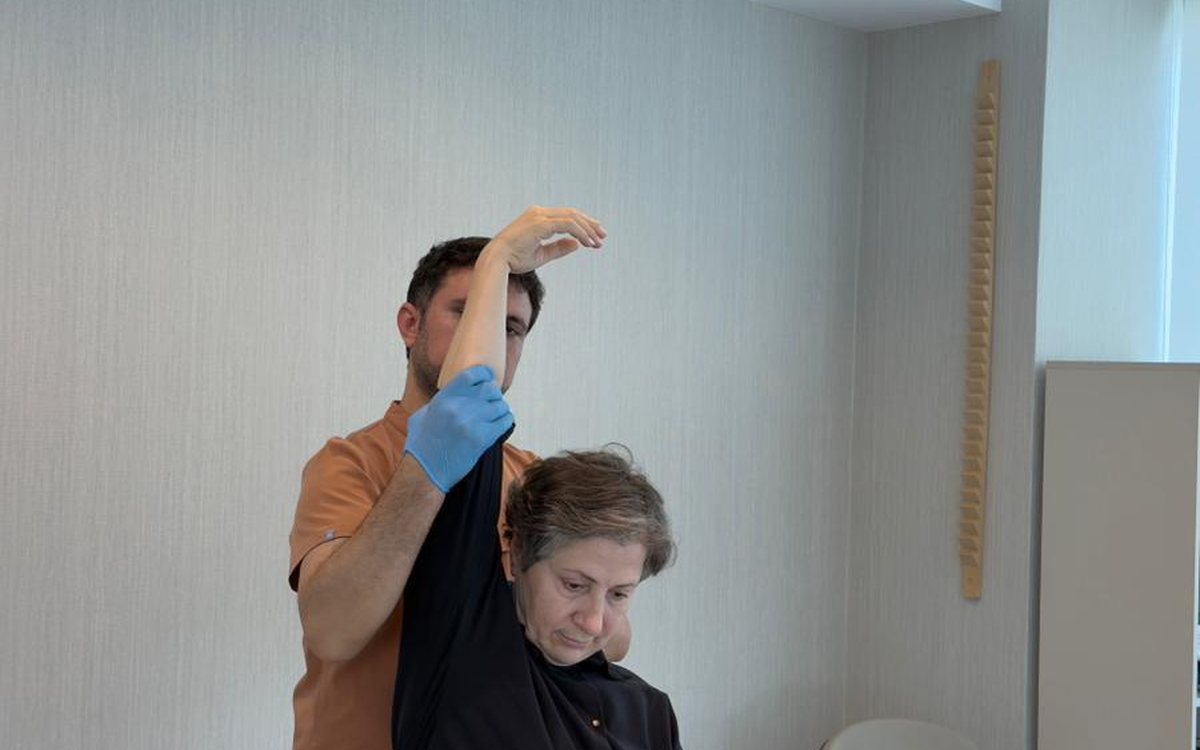
Osteopathic Physiotherapist Mustafa Kurt creates shoulder exercise plans to improve joint mobility for problems such as frozen shoulder, tendinitis, and impingement syndrome, offering personalized physiotherapy in Istanbul.
Why Won't My Shoulder Pain Go Away? What Helps Shoulder Pain and Treatment Options
Shoulder pain is one of the most common musculoskeletal problems, seen across all age groups, and it can directly limit freedom of movement, sleep quality, and work performance. Pain that appears suddenly while reaching for a shelf, getting dressed, driving, or during a simple lifting activity can stem from a wide range of causes—from mild muscle tightness to tendon tears, joint osteoarthritis, and frozen shoulder.
For this reason, correctly analyzing the source of chronic or acute pain in the shoulder region is the most important step toward healthy functional recovery.
Main Causes of Sensitivity and Pain in the Shoulder Region
The shoulder joint is one of the body's structures with the greatest range of motion and one of the most complex biomechanically. This mobility depends on the balance of the muscles and connective tissues surrounding the joint.
When this balance is disrupted, the clinical conditions most commonly encountered include:
Impingement Syndrome
This occurs when tendons are compressed between bony structures as the arm is raised. It typically presents as stabbing and sharp pain, especially when lifting the arm above head level.
Rotator Cuff Tendon Injuries
Damage or tearing of the tendons in the group of four primary muscles that stabilize and move the shoulder, due to sudden strain, heavy lifting, or age-related wear. It causes severe pain and loss of strength when moving the arm at certain angles.
Frozen Shoulder (Adhesive Capsulitis)
A condition characterized by thickening and contraction of the joint capsule as a result of inflammation. Over time, shoulder movement becomes severely restricted in all directions, accompanied by intense pain that often throbs at night.
Joint Osteoarthritis
Gradual wear of cartilage tissue in the shoulder joint. It usually develops in later life or after past joint trauma, and can cause a catching sensation and grinding sounds during movement.
Bursitis and Regional Tissue Sensitivity
Sensitivity and swelling of the fluid-filled sacs (bursae) that protect the joint, due to overuse or repeated strain. Local burning and tenderness to touch are prominent.
Anatomical and Period-Related Factors Affecting Shoulder Health in Women
Focusing on a single factor when shoulder pain complaints arise in women is not appropriate. The structure of daily activities, postural habits, and muscle strength imbalances play an important role in this process.
Hormonal changes during menopause can have indirect effects on connective tissue flexibility and bone density, paving the way for increased sensitivity around the joint. During pregnancy and breastfeeding, shifts in the body's center of gravity increase the static load on the back and shoulder girdle muscles in particular.
Conscious exercise planning recommended by health professionals during these special periods is highly beneficial for maintaining muscle group balance.
Basic Measures That Can Be Taken at Home to Relieve Shoulder Pain
For mild shoulder discomfort that has just started and is not due to a serious injury (fall, impact, accident), some basic temporary approaches can provide relief:
- If noticeable swelling or edema develops in the area, short cold applications may be preferred during the first 24 to 48 hours of the acute phase.
- For chronic cases where muscle stiffness and tension are prominent, local heat applications can support relaxing the muscle tissue.
- Since leaving the shoulder completely immobile can increase joint stiffness, light movements spread throughout the day that do not exceed the pain threshold are recommended.
- Making the workstation ergonomic, not carrying heavy bags on one side only, and not lying on the painful shoulder for long periods while sleeping also reduce mechanical stress.
Important Note: If complaints do not decrease or worsen despite these protective methods applied at home, a professional clinical assessment should be obtained without delay. You can receive this service at physical therapy departments of public hospitals or at Osteopathic Physiotherapist Mustafa Kurt's clinic. You can book a free appointment through e-Government or MHRS (call 182) at public hospitals.
The Role of Exercise and Muscle Balance in Shoulder Health
Shoulder joint stability is directly related to the strength of the surrounding muscle architecture. Conscious strengthening work targeting the shoulder girdle, scapular region, and back muscles ensures load is distributed evenly across the joint surface.
Adding flexibility exercises for the chest and neck muscles to the program, alongside strength work, corrects postural problems and eases shoulder mechanics.
Physical activities planned specifically for the person's current clinical picture, pain threshold, and level of movement restriction are the most effective way to preserve joint health in the long term. These exercises should be performed under the supervision of a physiotherapist or physical therapy physician.
A Holistic and Functional Approach to Shoulder Problems
The source of pain felt in the shoulder may not always be the shoulder joint itself. Disc herniations or flattening in the cervical vertebrae, limited movement in the thoracic spine, and even postural disorders can place extra load on the shoulder region through a chain reaction.
Osteopathy, which treats the body as a mechanical whole, is one of the manual therapy methods that analyzes relationships between joints, ligaments, and the nervous system. Manual techniques applied after detailed assessment in suitable patient groups can contribute to increased joint mobility, supported circulation, and reduced mechanical pressure.
When this process is combined with individually planned clinical exercises and holistic physiotherapy methods, it delivers far more lasting and functional results. However, manual applications are not appropriate in every clinical picture, so a detailed clinical analysis is required first.
Session Duration and Fee Standards
Physiotherapy and holistic manual therapy sessions applied at our center are designed according to the person's current functional status, the chronicity of the problem, and the treatment pathway they need. Session intensity is determined after a detailed posture and movement analysis performed at the initial examination.
Session durations generally range between 45 and 60 minutes.
Fee policy may vary depending on the scope of the program to be applied, the number of sessions, and the clinical methods chosen. Clear budget and schedule planning is finalized after the initial personalized clinical assessment.
When You Should See a Specialist Without Delay
If one or more of the signs below that may require urgent intervention are present, a healthcare facility should be consulted without delay:
- Inability to move the arm at all, or inability to actively raise it upward
- Sudden visible swelling, redness, or local increase in temperature in the shoulder joint
- Severe, sharp pain that begins after a fall, traffic accident, hard impact, or sports injury
- Patterns spreading from the neck to the arm, with numbness, tingling, or noticeable loss of strength in the fingers
- Throbbing pain that does not ease even at rest, especially severe enough to wake you at night
- Complaints that do not improve with home measures despite weeks passing
In these situations, you should consult a Physical Medicine and Rehabilitation (PM&R) specialist, an orthopedic specialist, or a physiotherapist.
Important: Shoulder pain can stem from many causes—from muscle impingement to tendon tears, movement restrictions in frozen shoulder to biomechanical imbalances originating from the neck and spine. With correct and comprehensive assessment, a personalized protective exercise plan, lifestyle modifications, and physiotherapy approaches applied at the right time when needed, a large proportion of complaints can be brought under control and quality of life restored. If your symptoms are disrupting daily tasks or becoming chronic, being evaluated by a health professional is the healthiest approach for lasting solutions.
Disclaimer: This content is for informational purposes only. It does not replace medical diagnosis and treatment.
Osteopathic Physiotherapist Mustafa Kurt
Address: Atatürk Mah. Ertuğrul Gazi Sok. Metropol İstanbul Sitesi B Blok Kat:2 D:67, Ataşehir / Istanbul
Phone: 0555 345 6585