
Posture Disorder
Comprehensive assessment for scoliosis, kyphosis, and other postural disorders.
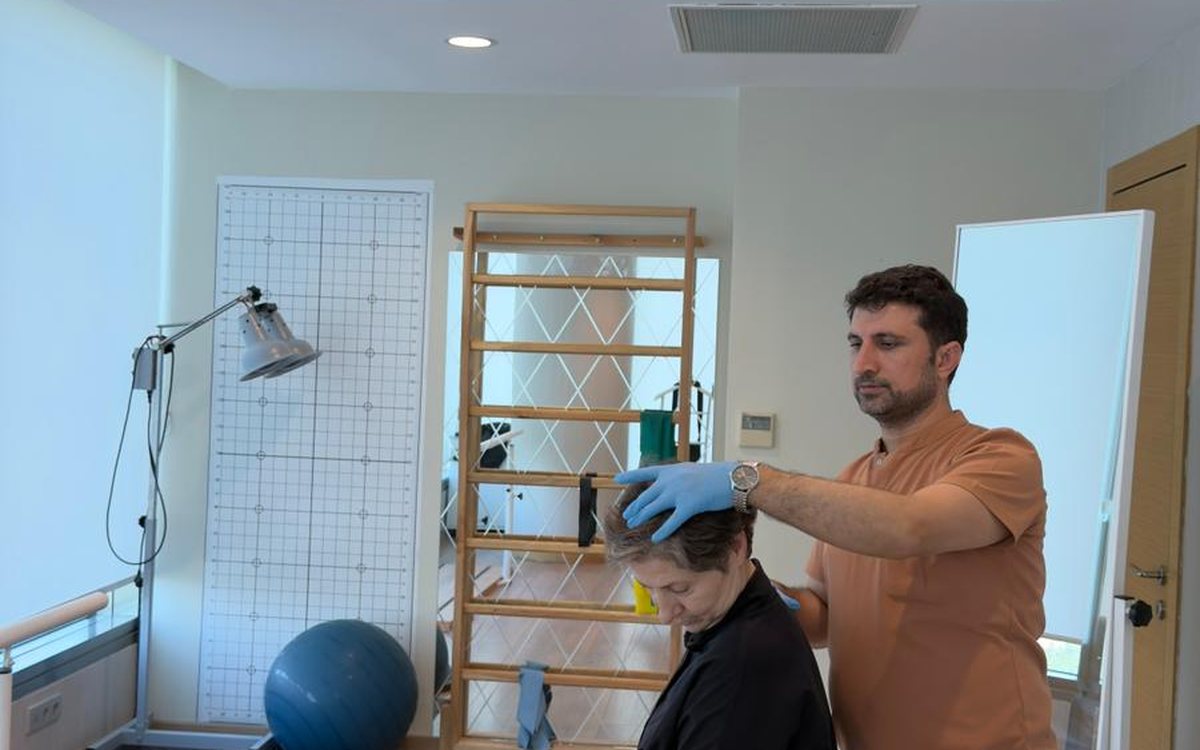
Osteopathic Physiotherapist Mustafa Kurt comprehensively evaluates postural disorders such as kyphosis, lordosis, scoliosis, and forward head posture, creates corrective exercise plans to restore muscle balance, and offers personalized posture disorder treatment in Istanbul.
Posture Disorder Treatment Guide: What Is It and How Is It Corrected?
Postural disorder is a musculoskeletal problem that occurs when spinal and body alignment moves away from the proper balance; it is the disruption of the body's natural alignment while standing, sitting, or moving. In healthy posture, the head, shoulders, spine, and hip region are aligned in a balanced way.
Today it is commonly seen especially in people who work at a desk for long periods, students, and individuals with sedentary lifestyles.
Over time it can cause neck, back, and lower back pain. However, with proper assessment and personalized physiotherapy programs, postural problems can be largely improved.
When this balance is disrupted, some muscles work excessively, others weaken, movement quality may decrease, and pain and fatigue can develop over time.
What Are the Symptoms of Postural Disorder?
Postural problems usually develop slowly and are noticed in daily life.
The most common symptoms:
- Shoulders dropping forward
- Rounded (hunched) appearance in the upper back
- Head positioned forward
- Neck and lower back pain
- Difficulty when sitting for long periods
- Getting tired quickly
- Left-right imbalance in the body
These symptoms may indicate that the person's posture should be evaluated. In such cases, applying to the Physical Medicine and Rehabilitation department would be beneficial.
What Types of Postural Disorders Are There?
The most common postural disorders:
Kyphosis (Hunchback)
An increase in the natural curvature of the upper back.
Lordosis
An increase in the lumbar curve beyond normal.
Scoliosis
A sideways curvature of the spine.
Forward Head Posture
The neck and head shifting forward from normal alignment.
Each postural disorder can affect different muscle groups, and the treatment approach varies from person to person.
How Is Postural Disorder Corrected?
One of the most effective approaches for postural disorder is physiotherapy and personalized exercise programs. During treatment, weak muscles are strengthened, balance is restored in overactive muscles, spinal alignment is supported, and proper sitting and movement habits are developed.
The goal is not only to correct appearance, but to help the body function more healthily.
What Exercises Are Used for Postural Disorder?
Exercises are an important part of the posture correction process.
Work used includes:
- Posture correction exercises
- Scapular control exercises
- Core strengthening work
- Neck movement exercises
- Exercises supporting back muscles
- Stretching and relaxation movements
Exercise selection should be determined according to the person's postural problem and muscle balance. For this reason, it is recommended to do them under the supervision of a physiotherapist or physical medicine doctor.
Can Postural Disorder Be Treated at Home?
Home-based work can support the posture correction process. During this process, it is important to pay attention to correct sitting position, avoid staying in the same position for long periods, take movement breaks during the day, and maintain proper posture when using phones and computers.
However, for advanced postural problems, professional assessment provides a more accurate approach. You can receive this service at physical therapy departments in public hospitals or private physiotherapy centers.
How Is a Postural Disorder Test Performed?
Posture analysis is usually performed by a physiotherapist in a clinical setting. The assessment examines front, side, and back posture analysis, shoulder and hip symmetry, spinal alignment, movement capacity, and digital measurement systems when necessary.
Based on this assessment, an exercise and treatment plan suited to the person is created.
Which Doctor Should You See for Postural Disorder?
People with postural disorder can usually first consult:
- A Physical Medicine and Rehabilitation (PM&R) specialist (physical medicine doctor)
- A physiotherapist
At public hospitals or private hospitals, the Physical Medicine and Rehabilitation department is one of the most frequently consulted departments for evaluating such complaints. You can book a free appointment through e-Government or MHRS (call 182) at the Physical Medicine and Rehabilitation department of public hospitals.
If deemed necessary, an orthopedic specialist may also be included in the assessment process.
How Long Does Posture Disorder Treatment Take?
Treatment duration varies depending on the person's age, muscle balance, and the level of the postural problem. In general:
- Mild problems: 4-8 weeks
- Moderate problems: 2-3 months
- Advanced problems: 3-6 months or longer
may be required.
Regular exercise and proper habits support the process.
How Does the Session Process Progress?
Posture disorder treatment begins with a detailed assessment. In the first stage, muscle balance is examined, spinal alignment is evaluated, and movement restrictions are identified.
During sessions, exercise applications are performed, posture training is provided, manual therapy may be applied when necessary, and progress is monitored regularly.
A session usually lasts 45-60 minutes.
Average Number of Sessions
The number of sessions varies depending on the person's condition. In general:
- Mild cases: 5-8 sessions
- Moderate cases: 8-15 sessions
- Advanced problems: longer-term programs
may be applied.
The goal is not only temporary correction, but gaining lasting proper postural habits.
What Is the Physiotherapist Session Fee?
Fees for posture disorder treatment may vary because planning is personalized. Factors affecting the fee include therapy methods applied, session duration, total session needs, level of the problem, and follow-up requirements.
Clear fee information is usually determined after the initial assessment.
Important: Early assessment and the right exercise approach in postural disorders help both reduce pain and develop healthier movement habits.
Frequently Asked Questions
Which department should you go to for postural disorder?
You can apply to the Physical Medicine and Rehabilitation department at a public or private hospital. You can also consult a physiotherapist.
Up to what age can postural disorder be corrected?
Postural problems can be improved at any age. Early detection can make the process easier.
Osteopathic Physiotherapist Mustafa Kurt
Address: Atatürk Mah. Ertuğrul Gazi Sok. Metropol İstanbul Sitesi B Blok Kat:2 D:67, Ataşehir / Istanbul
Phone: 0555 345 6585