
Muscle Pain
Trigger point therapy and myofascial release techniques for chronic and acute muscle pain.
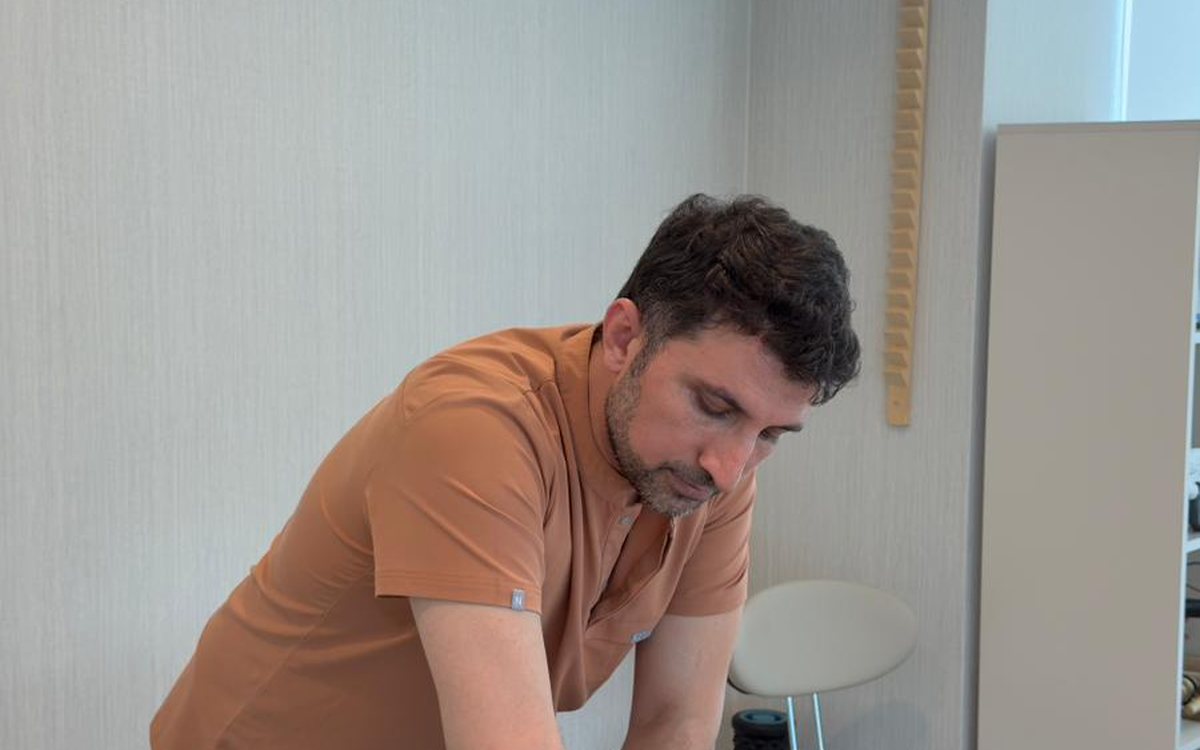
Osteopathic Physiotherapist Mustafa Kurt creates myofascial release exercise plans to relieve chronic muscle pain and fibromyalgia trigger points.
Muscle Pain Guide: Causes, Symptoms, and Relief Methods
Muscle pain is one of the most common health problems in daily life. Intense physical activity, stress, staying in the same position for long periods, or certain diseases can cause pain in the muscles. These pains may be short-lived or, in some cases, become chronic and reduce quality of life.
Understanding the cause of muscle pain is the essential first step for an effective treatment plan.
What Causes Muscle Pain?
Muscle pain can stem from many different causes such as excessive exercise and muscle strain, prolonged inactivity, stress and psychological tension, irregular sleep, mineral and vitamin deficiencies, viral infections, and micro-tears in the muscles.
In some cases, muscle pain may be a sign of a more serious underlying health problem.
Where Does Muscle Pain Occur?
Muscle pain may not be limited to a single area; it can be felt in the neck and shoulder region, back and lower back muscles, arm and leg muscles, chest area, and hip region.
Pain spread is especially more noticeable in stress-related muscle tension.
How Does Muscle Pain Go Away?
In simple muscle pain, resting and reducing load on the affected area, doing light stretching exercises, taking a warm shower or applying heat, light massage, drinking enough water, and sleeping regularly can help relieve the pain.
Muscle pain after exercise usually subsides within 1-3 days.
What Helps Muscle Pain?
To relieve muscle pain, applying hot or cold compresses, doing light walking and mobility exercises, performing muscle-relaxing stretching movements, managing stress, and creating an ergonomic sitting arrangement can be helpful.
If pain lasts a long time, the underlying cause should be investigated. Consulting a physiotherapist or Physical Medicine and Rehabilitation (PM&R) specialist will be beneficial.
Symptoms of Stress-Related Muscle Pain
Stress can create tension in muscles without being noticed. The most common symptoms include neck and shoulder stiffness, a constant feeling of muscle tightness, muscle tension accompanied by headache, tightness in the chest and back area, and pain that does not go away despite rest.
Why Do Persistent Muscle Pains Occur?
Long-lasting muscle pain may be associated with chronic stress, nerve compression, poor posture habits, rheumatic diseases, muscle inflammation, and untreated muscle injuries.
Specialist assessment is required in this case. You can have this assessment at physical therapy departments of public hospitals or at the Osteopathic Physiotherapist Mustafa Kurt clinic.
Which Diseases Cause Muscle Pain?
Muscle pain can be a symptom of certain diseases:
- Fibromyalgia
- Thyroid diseases
- Rheumatoid arthritis
- Viral infections
- Myositis (muscle inflammation)
- Nervous system diseases
Can Muscle Disease Cause Shortness of Breath?
Some muscle diseases, especially when they affect the respiratory muscles, can cause shortness of breath. This is usually seen in advanced muscle and nervous system diseases.
If muscle pain is accompanied by shortness of breath, rapid fatigue, or weakness in the chest muscles, medical assessment should not be delayed.
Which Doctor Should You See for Muscle Pain?
If muscle pain lasts a long time, you can apply to Physical Medicine and Rehabilitation (PM&R) or Orthopedics and Traumatology; if a nerve-muscle related problem is suspected, the Neurology department. Early assessment prevents pain from becoming chronic. You can book a free appointment at these departments in public hospitals through e-Government or MHRS (call 182).
Session Process and Treatment Plan for Muscle Pain
The treatment process for muscle pain is planned individually. Because the cause of pain may be muscle strain, stress, postural disorder, or a different health problem. At the initial assessment, muscle imbalances, movement restrictions, and pain areas are analyzed. A personalized treatment program is created accordingly. Sessions usually last 45-60 minutes and may include manual therapy, muscle relaxation techniques, clinical exercise programs, mobility and stretching work, and electrotherapy when necessary.
Average Number of Sessions
The average number of sessions varies according to pain severity. Mild muscle pain usually requires 3-8 sessions, moderate chronic pain 8-15 sessions, while advanced and widespread muscle pain may require longer rehabilitation. The goal is not only to reduce pain but to create muscle balance that prevents recurrence.
Fee Information for Muscle Pain Treatment
There is no standard fee for muscle pain treatment. Because each patient's needs are different and the treatment plan is determined individually.
Factors affecting fees: The cause and duration of pain, therapy methods to be used, number of sessions, and clinical assessment and follow-up needs are the main elements that determine pricing. For this reason, pricing is usually done per session or as personalized package programs, and the exact price is determined after the initial assessment.
Important: Although muscle pain often arises from simple causes, when it lasts a long time it may be a sign of an underlying health problem. Many muscle pains can be managed with proper rest, regular exercise, and stress management. If pain does not go away or recurs frequently, professional assessment is important. Early intervention both prevents pain from becoming chronic and improves quality of life.
Osteopathic Physiotherapist Mustafa Kurt
Address: Atatürk Mah. Ertuğrul Gazi Sok. Metropol İstanbul Sitesi B Blok Kat:2 D:67, Ataşehir / Istanbul
Phone: 0555 345 6585