
Posture Disorders
Comprehensive assessment and treatment for postural disorders such as scoliosis, kyphosis and lordosis.
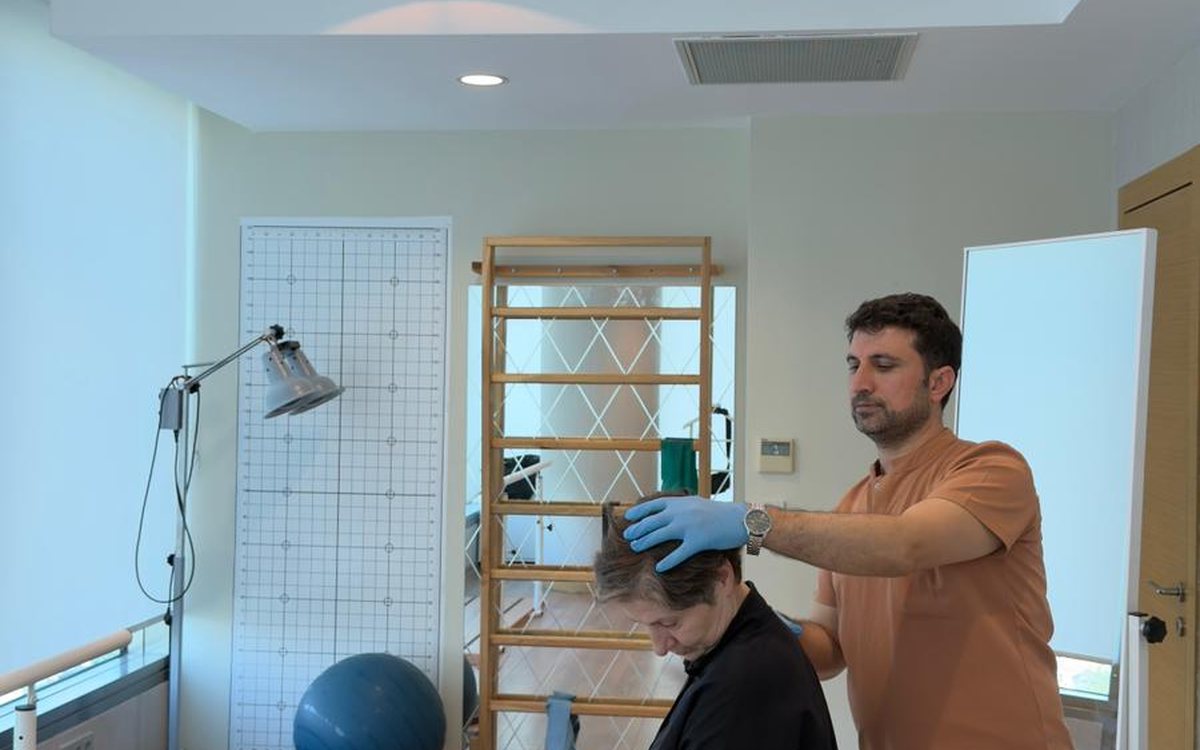
Osteopathic Physiotherapist Mustafa Kurt comprehensively evaluates postural disorders such as scoliosis, kyphosis, and lordosis, creates corrective exercise plans supported by posture analysis to balance the chronic tension these disorders create in the body, and offers personalized physiotherapy in Istanbul.
Postural Disorder Guide: Symptoms, Causes, and Correction Methods
Postural disorder is a common musculoskeletal problem that occurs when spinal and body alignment deviates from the ideal position. Long hours at a desk, increased phone and computer use, inactivity, and poor sitting habits have made this condition more common.
When not detected early, it can lead to neck, back, and lower back pain, muscle imbalances, and spinal problems in the long term.
What Is a Postural Disorder?
A postural disorder is a deviation of the spine, shoulders, hips, or head from their natural alignment. In healthy posture, the ear, shoulder, and hip should be in the same line. When this balance is disrupted, muscles carry excessive load in some areas and pain develops over time.
Types of Postural Disorders
Postural disorders are classified in different ways:
- Kyphosis (hunchback): Excessive rounding in the upper back
- Lordosis: An excessive inward curve of the lower back
- Scoliosis: Sideways curvature of the spine
- Forward head posture: The neck carried forward
- Rounded shoulders: Shoulders rolling forward
These conditions may appear alone or together.
Symptoms of Postural Disorder
The most common symptoms are:
- Neck, back, and lower back pain
- Stiffness and tension in the shoulders
- Increasing discomfort when sitting for long periods
- Quick fatigue
- Head carried forward
- Uneven shoulders
- A sense of imbalance in the lower back and hip area
These symptoms are especially noticeable in desk workers. If you experience several of these symptoms, consulting a physiotherapist or Physical Medicine and Rehabilitation (PM&R) specialist will be beneficial.
What Causes Postural Disorder?
Postural disorder usually does not stem from a single cause but from lifestyle habits:
- Working while seated for long periods
- Increased phone and computer use
- Sedentary lifestyle
- Weak back and abdominal muscles
- Incorrect sitting and sleeping positions
- Heavy bags or improper load carrying
How Is a Postural Disorder Test Done?
A simple observation at home can give an idea about postural disorder:
- Lean your back against a wall
- Heels, hips, back, and head should touch the wall at the same time
- If there is excessive space between the lower back and the wall, lordosis may be present
- If the shoulders fall forward, a postural disorder is possible
Checking posture from the side in a mirror is also a commonly used simple method. However, clinical assessment is required for a definitive diagnosis. You can have a professional posture analysis at physical therapy departments of public hospitals or at the Osteopathic Physiotherapist Mustafa Kurt clinic.
How Is Postural Disorder Corrected?
In most cases, postural disorder can be corrected with exercise, habit changes, and conscious posture training. The process requires patience.
Basic approach:
- Strengthening weak muscles
- Stretching tight muscles
- Correct sitting and standing habits
- Daily movement awareness
Exercises for Postural Disorder
The most commonly recommended exercises are:
- Pulling movements that strengthen the back muscles
- Shoulder blade squeeze exercises
- Chest muscle stretching movements
- Neck stretching exercises
- Core (abdominal) strengthening work
- Yoga and pilates-based posture work
Doing exercises regularly is critical for long-term improvement. It is recommended to perform these exercises under the supervision of a physiotherapist or physical medicine doctor.
Home Treatment for Postural Disorder
Mild and moderate posture problems can be managed at home:
- Adjusting work ergonomics
- Setting chair and screen height
- Taking regular breaks during the day
- Doing stretching and strengthening exercises
- Reducing forward bending of the head when using a phone
However, if there are advanced spinal curvatures, professional assessment is required.
Which Doctor Should You See for Postural Disorder?
Departments you can apply to when postural disorder is suspected:
- Physical Medicine and Rehabilitation (PM&R): assessment of muscle and skeletal balance
- Orthopedics and Traumatology: spinal curvatures and structural problems
- Sports Medicine: posture and movement analysis
Early assessment prevents progressive problems. You can book appointments at these departments in both public hospitals and private hospitals. You can book a free appointment through e-Government or MHRS (call 182) at the relevant departments of public hospitals.
Treatment Process and Session Plan
Postural disorder treatment is planned individually. Because each person's muscle strength, lifestyle, and level of postural disorder is different.
Posture analysis is performed at the initial assessment and muscle imbalances are identified. An exercise and therapy plan is created accordingly.
Sessions usually last 45-60 minutes and may include the following applications:
- Manual therapy
- Posture correction exercises
- Muscle strengthening programs
- Mobility work
Average Number of Sessions
The average number of sessions varies according to the severity of the postural disorder:
- Mild cases: 5-10 sessions
- Moderate cases: 10-20 sessions
- Advanced cases: a longer rehabilitation program
The goal is not only to reduce pain but to achieve lasting postural change.
Fee Information
There is no fixed fee for postural disorder treatment. Because each person's needs are different.
Factors affecting pricing:
- Severity of the postural disorder
- Therapy and exercise methods to be used
- Number of sessions
- Clinical assessment and follow-up process
Pricing is usually applied per session or as personalized package programs. The exact fee is determined after the initial assessment.
Important: Postural disorder is largely correctable when detected early. However, when neglected, it can lead to chronic pain and spinal problems. With the right exercises, ergonomic adjustments, and professional support, posture can improve significantly over time. If symptoms persist, specialist assessment should be sought without delay.
Osteopathic Physiotherapist Mustafa Kurt
Address: Atatürk Mah. Ertuğrul Gazi Sok. Metropol İstanbul Sitesi B Blok Kat:2 D:67, Ataşehir / Istanbul
Phone: 0555 345 6585